
How to Identify Early Signs Your Hydraulic Pump Needs Repair
Hydraulic pumps are the heart of any heavy machinery, converting mechanical power into hydraulic energy to drive essential functions in construction, manufacturing, and industrial applications. Recognizing the early signs of hydraulic pump failure is crucial to preventing unexpected breakdowns, minimizing costly repairs, and extending equipment lifespan. At Sidra Hydraulic Service, we specialize in precise diagnosis and expert hydraulic pump repair, helping clients avoid catastrophic failures.
Common Early Warning Signs You Should Never Ignore:
1. Unusual Noises (Knocking, Whining, or Grinding)
If your hydraulic system starts making unusual sounds, it is a clear indicator of internal distress. A loud knocking or hammering noise typically signals cavitation, which occurs when air bubbles form and collapse due to restricted fluid intake. A high-pitched whining sound often indicates aeration, meaning air is being sucked into the system through loose fittings or worn seals. Both conditions cause rapid erosion of metal components and, if left unaddressed, lead to complete pump destruction.
2. Slow or Erratic Operation
A drop in machine performance—such as slower cycle times, difficulty lifting rated loads, or jerky cylinder movement—usually points to internal wear. As hydraulic piston pumps age, internal components like pistons, barrel, and valve plates wear down, allowing fluid to leak internally instead of building pressure. This reduces volumetric efficiency and robs your equipment of power.
3. Overheating of the System
Hydraulic systems generate heat during normal operation, but excessive heat is a major red flag. If your pump casing feels unusually hot or the hydraulic fluid smells burnt, it indicates internal friction from worn parts or fluid degradation. Overheating breaks down the lubricating properties of the oil, accelerating wear on seals, bearings, and precision components.
4. Fluid Contamination and Discoloration
Regularly checking your hydraulic fluid can reveal hidden problems. Milky or cloudy fluid indicates water contamination, which destroys lubrication properties and causes corrosion. Fluid with a metallic sheen or visible particles suggests metal-to-metal wear inside the pump, meaning internal components are grinding against each other.
5. Visible Leaks and Drop in Fluid Levels
While external leaks around seals and fittings are obvious, internal leakage is harder to detect but equally damaging. A gradual drop in fluid levels without visible external leaks often points to internal bypassing, where fluid recirculates internally rather than doing productive work.
Why Early Diagnosis Matters:
Ignoring these warning signs leads to cascading damage. A small issue like a worn seal can allow contamination to enter, which then damages pistons, scoring the barrel, and eventually destroying the pump. At Sidra Hydraulic Service, our advanced diagnostic technology allows us to pinpoint the exact cause of failure quickly. We don't just fix the symptom; we identify and address the root cause to prevent recurrence.
Our Expert Repair Approach:
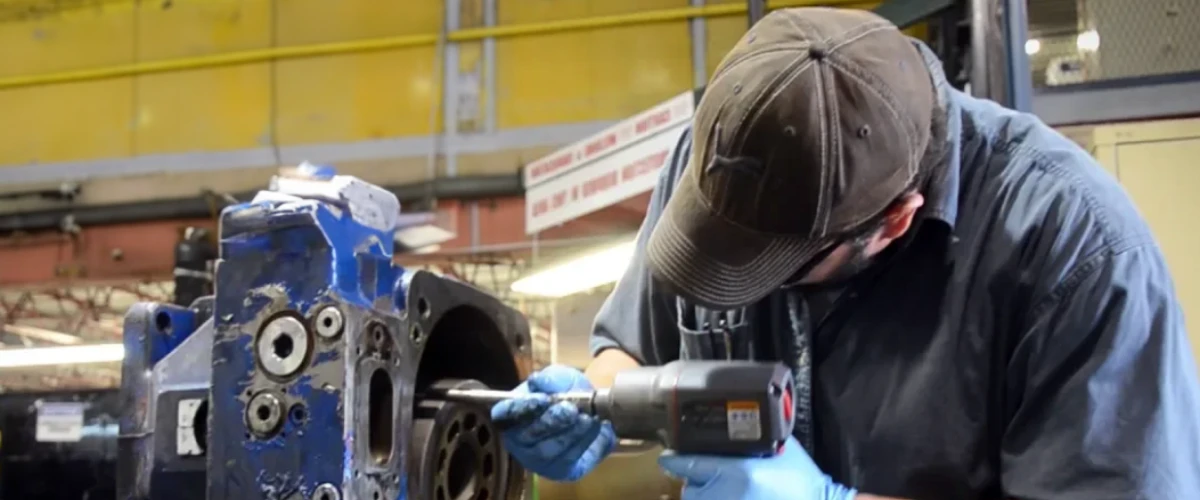
With over 15 years of experience, our technicians provide skilled workmanship on all major pump brands and models. Whether you need hydraulic piston pump repair, seal replacement, or complete rebuilding, we follow strict quality control protocols to ensure every repaired component meets industry standards for durability and performance. We also offer 24/7 customer support to address emergencies and minimize your downtime.
Conclusion:
Your equipment talks to you through sounds, temperatures, and performance changes. Learning to recognize these early signs of pump failure empowers you to take action before a minor issue becomes a major expense. For professional hydraulic system diagnosis and reliable repairs, trust Sidra Hydraulic Service—your partner in keeping operations running smoothly.